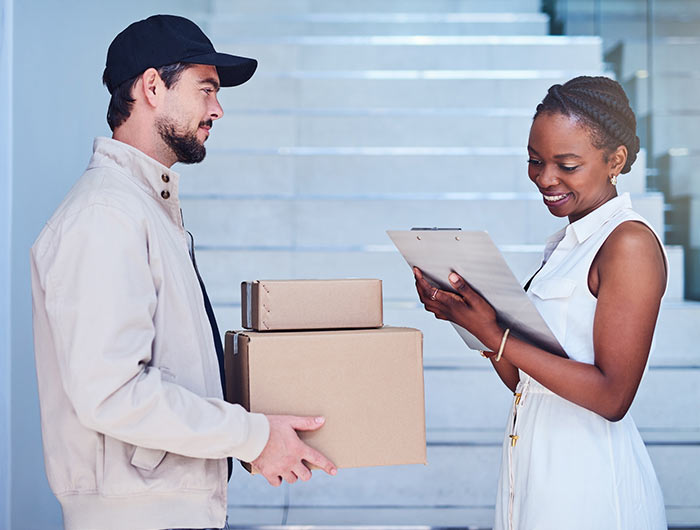
As e-commerce has evolved alongside innovations in technology, the time it takes for a product to move from warehouse to customer has shrunk — and customer expectation has ballooned in response. From Amazon’s two-day shipping and FedEx’s overnight delivery to reaching that last mile, creating a painless delivery experience is practically an arms race. Today, micro-fulfillment centers are revolutionizing logistics once again.
How micro-fulfillment centers are powering India's e-commerce market
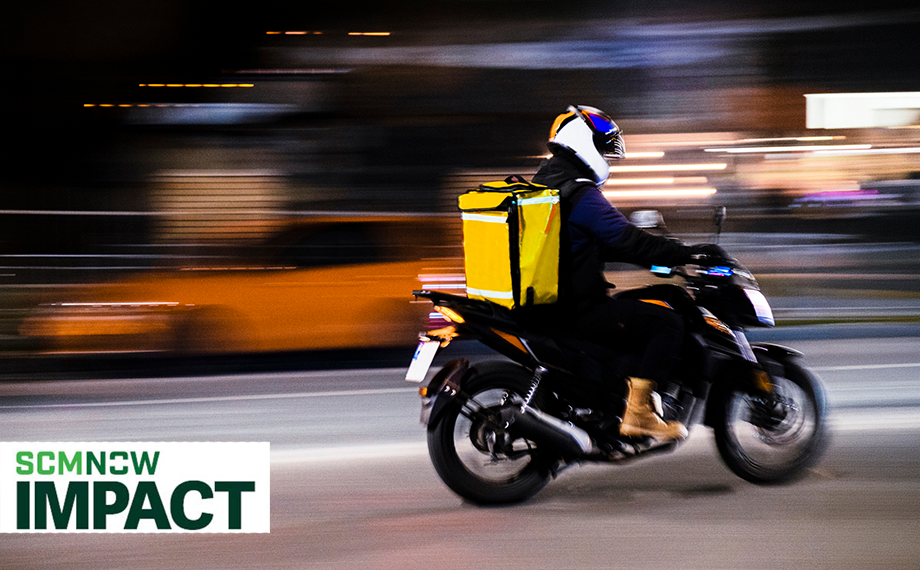
In India, overnight or even same-day delivery is no longer fast enough. Superfast delivery services from Amazon, Walmart-affiliated Flipkart, and various local startups are promising delivery in as little as 10 minutes. The quick-commerce market, “powered by Gen Z adoption,” is forecasted to reach $50 billion by 2030, up from $8 billion last year, according to a report from Deloitte and Google. With Indian quick-commerce apps, orders above $2 are generally free. For the Amazon service, deliveries are free for Prime members and customers who spend about $1.50 per order, the Wall Street Journal reports. India is an ideal location for the growth of this type of service: Cities are dense, the labor pool is deep and there are millions of potential customers, “accustomed to buying daily essentials from neighborhood shops,” who might prefer to ask a personal shopping service to complete the task.
How do micro-fulfillment centers operate?
But “the model is now spreading beyond India,” the Journal continues. Amazon recently announced that it would be expanding its 30-minutes-or-less delivery to dozens of U.S. cities after completing pilot projects in Seattle and Philadelphia. “The backbone of the system is a dense network of tiny warehouses” known as “dark stores” in the industry and as micro-fulfillment centers by Amazon, that are “scattered throughout a city, with delivery radii averaging about 1 to 2 miles,” per the Journal. Similar to “ghost kitchens,” or restaurants that only operate delivery service, dark stores help retailers “squeeze out the next, most cost-effective systems for reaching more customers,” notes Forbes, demonstrating the perennial importance of perfecting the last mile. Although dark stores were originally created to make use of closed former retail spaces, they have rebranded to become “delivery-focused alternates” to traditional stores. Facilities range from 3,000 to 10,000 square feet, much smaller than the traditional 400,000-square-foot fulfillment center, with an assortment of products catering to neighborhood preferences arranged according to the level of demand, continues the Journal.
“Micro-fulfillment is particularly advantageous for smaller retailers aiming to compete with larger e-commerce giants,” argues Inbound Logistics. There’s a lower initial investment and increased customer satisfaction. Whether the business model will be sustainable — or profitable — in the long term is an open question. Unlike delivery platforms like Shipt or Instacart, these quick-commerce apps cover the entire overhead for the service, from leasing warehouses to paying workers. As with any innovation, careful planning and execution are paramount. But this latest invention makes clear that supply chains can be a driver of growth and experience, not just operations.
Rewarding supply chain greatness
For supply chains that are thoughtfully and ingeniously preparing for the future, ASCM is proud to offer the 2026 Awards of Excellence. The newly revamped program is all about using the SCOR model to unlock critical performance, resilience and transformation advancements. From supply chain performance champion to sustainability catalyst, these awards acknowledge supply chain professionals who demonstrate exceptional leadership and make a tangible impact in the industry.
Being recognized as an award-winner will help you enhance your reputation as an individual and a credible, purpose-driven organization, so apply today. But hurry: Applications close May 31!