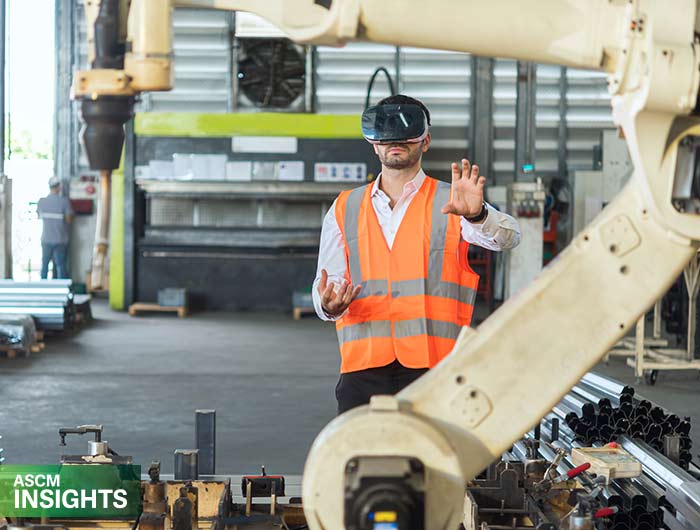

As we embark upon 2026, the global supply chain landscape is reaching a long-awaited inflection point. For the past five years, the industry narrative has been dominated by a frantic race to adapt and recover — a period of permacrisis, where volatility was the only constant. But now, we’re finally moving away from reactive disruption management toward a phase of purposeful, intelligent transformation.
The release of ASCM’s Top 10 Supply Chain Trends in 2026 explores the primary catalysts behind this shift, offering a comprehensive roadmap for the new era. The report also goes beyond mere predictions to provide real-world applications, demonstrating how emerging tools and concepts are evolving from experimental into operational essentials. Furthermore, by delivering industry-specific insights across a wide range of sectors, the research highlights how diverse organizations can navigate global dynamics and adapt supply chain strategy to an increasingly complex landscape.
In a recent ASCM Insights blog article, Editor-in-Chief Elizabeth Rennie digs into the trends, underscoring that the path forward is no longer about just staying afloat. She writes, "Success will not hinge on managing disruption, but embracing digitization and building highly interconnected, resilient networks. It's clear that 2026 is the year when technology moves from the periphery to the very center of organizational health.”
Industry experts are also weighing in on this pivot. Supply Chain Management Review recently analyzed ASCM’s findings, noting that the themes of AI, regionalization and circularity are foundational to the new blueprint for supply chain leadership. According to Editor Brian Straight, supply chain success will rely on prioritizing advanced digitization, diversifying supply networks and securing data. He notes that this reflects a growing consensus: The "wait and see" approach to digital investment has officially been replaced by a mandate for enterprise-wide integration.
Unsurprisingly, at the heart of this transformation is the maturation of AI. While previous years focused on small-scale pilots, AI is now the connective tissue of the modern enterprise. Rennie notes that the power of the tool lies in "synthesizing vast amounts of real-time data — from market trends to external shocks — to drive unprecedented forecast accuracy improvements."
Beyond technology, the research once again confirms that business success is inseparable from talent strategy. As repetitive tasks are handed over to algorithms, the role of the supply chain professional is being redefined around human-machine collaboration. Rennie emphasizes that this shift requires a "cultural transformation toward continuous learning," moving the workforce away from transactional tasks toward strategic oversight and analytical problem-solving.
Prepare for the transformation
ASCM’s Top 10 Supply Chain Trends in 2026 represent a fundamental set of interconnected strategies necessary for competitive success. Embracing them will help ensure your supply chain is a lasting competitive advantage. Download the full report today to master critical challenges and exciting opportunities alike — and solidify your role as a true supply chain leader.