The abrupt outbreak of war in Iran is first and foremost a human catastrophe, but the hostilities have also triggered a secondary crisis within our global supply chains. Some disruptions are immediate; others are deep-seated fractures that will take weeks to fully manifest.
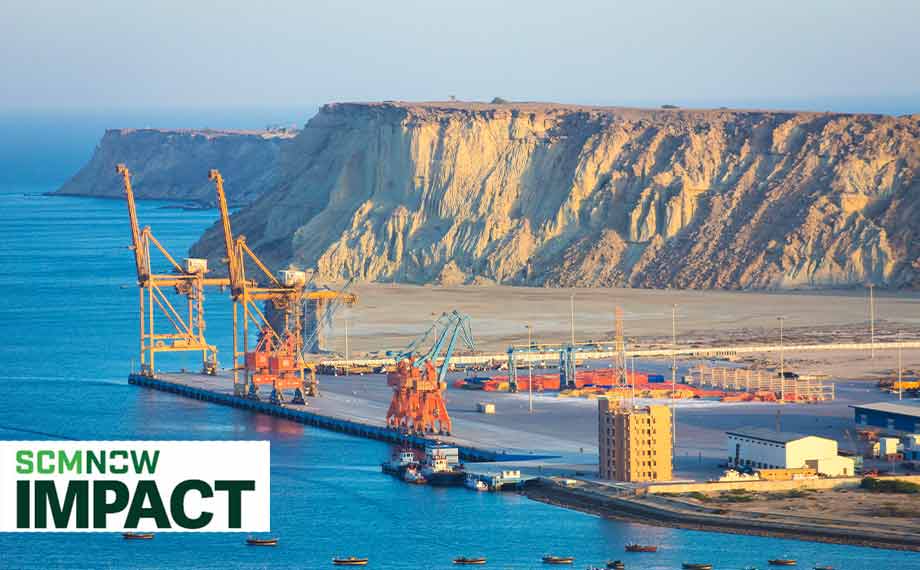
First, traffic in the Strait of Hormuz is at a standstill following military strikes on an Iranian warship off Sri Lanka, reports Reuters. The closure of this vital passage effectively severs a primary artery of the global energy market, as more than 200 ships are at anchor in open waters. Further, Qatar is shutting down its gas liquefaction and won't resume normal production or exports for at least a month. Iraq also cut its oil production in response to the conflict, and Kuwait, Saudi Arabia and the UAE are struggling to adapt.
The Persian Gulf nations supply vast quantities of the world’s crude oil, fuels, natural gas and fertilizer feedstocks, per Bloomberg: “Almost all of the region’s output has to pass through Hormuz, making it a choke point for a fifth of global oil and liquefied natural gas supplies, and half of the global seaborne trade of sulfur.” Traffic has plummeted 95%, and any ships that are managing to pass through have turned off their location-tracking devices to avoid being targeted in a future attack. This widespread disablement or signal jamming has left the Strait in a “digital fog,” Bloomberg continues.
About 200 million barrels of oil pass through the area on a typical day, and the stark decrease in supply is having a huge effect. “Global crude oil prices — already elevated due to the risk of war — have shot up more than 10% since the United States and Israel attacked Iran,” notes NPR, and natural gas prices in Asia and Europe have risen even more dramatically. Some countries have oil stockpiles, and some oil producers can reroute their product to other ports. “But those changes can't make up all of the shortfall,” NPR continues, as storage facilities in the Middle East fill up. In addition, market volatility is triggering a literal tug-of-war between continents, according to The Wall Street Journal. This was underscored this week as a liquefied natural gas tanker diverted from its European heading toward a higher-bidding Asian market, signaling a dangerous period of instability for regions that can't compete on price.
A surge in costs isn’t the only domino effect experts have concerns about. “Pharmaceuticals from India, semiconductors from Asia and oil-derived products like fertilizers that come from the Middle East” are all at risk, reports the AP. Plus, closed airspace in Bahrain, Iran, Iraq, Qatar and the UAE has “stranded tens of thousands of people and cargo.”
Maintaining clarity
As the "digital fog" over our trade lanes thickens, the need for solid information and expert perspectives has never been more urgent. For weekly updates on the most pressing topics, be sure subscribe to ASCM Supply Chain Signals. You can also join my upcoming LinkedIn Live conversation with Pete Mento, global trade advisor for Baker Tilly USA. We’ll explore the Supreme Court’s tariff ruling, as well as the current wave of geopolitical disruptions. Whether you're managing sourcing decisions, advising clients on trade risk or leading your organization through uncertainty, this conversation will provide the clarity needed to navigate today's complex environment.