
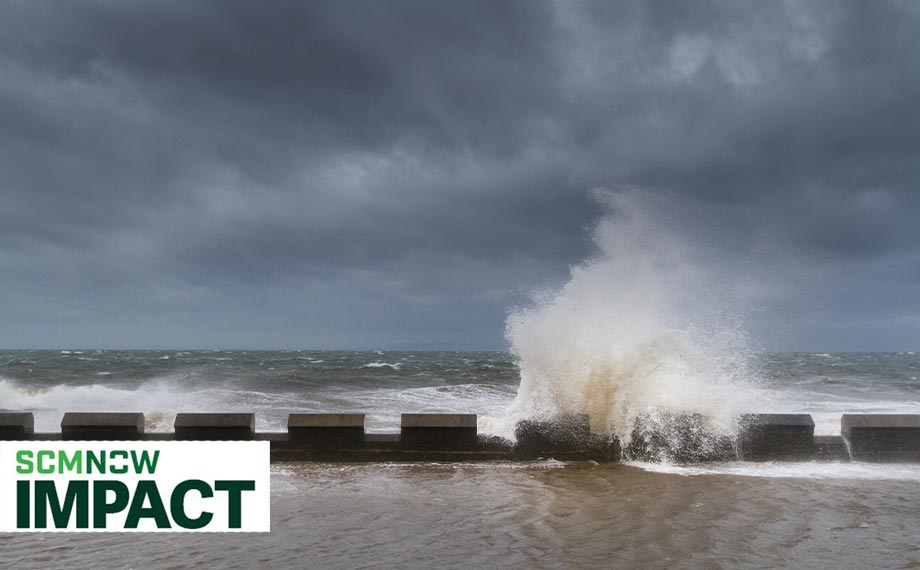
Centuries ago, Peruvian fishers noticed a strange, recurring warmth invading their normally frigid coastal seas. The phenomenon would block rising currents of nutrient-rich deep water, which effectively collapsed local fisheries. What began as a localized mystery off the coast of South America is now understood as a massive atmospheric disruptor. For hundreds of years, El Niño has dried up reservoirs in Australia and Indonesia, thrown severe typhoons at Tahiti, and drowned California in torrential floods. While these baseline disruptions are severe enough, a Super El Niño pushes ocean temperatures to historic extremes. Now, anomalies are lighting up climate models, strongly indicating the arrival of one of these rare, maximum-intensity events before the year is out.
NASA scientists report their satellites have detected a swell of warm water hundreds of miles wide: “The data complements measurements of sea surface temperature that have shown Pacific waters warming at unpreceded rates over the past several months,” NASA states, explaining that this translates to an increase in the height of the water relative to the center of Earth.
In California, experts forecast a temporary increase in sea-level elevation of 2-3 feet. Beyond major coastal flooding, the Guardian says this may also reduce soil absorption and accelerate drying. And Reuters urges supply chains to prepare for significant agricultural price shocks: “Global food security relies heavily on a highly concentrated supply chain. Just four crops — wheat, rice, maize and soybeans — account for over 60% of global calories. While localized regional shortages are typically balanced by other markets, a global El Nino triggers teleconnections: simultaneous weather anomalies across different continents that cause correlated crop failures.”
A delay in monsoon season is already worrying India’s $300 billion farm industry, Bloomberg reports. The worst of the dry spell has hit the country’s agricultural heartland, which accounts for 90% of its soybean and sugarcane crops; 80% of cotton production; and 70% of peanuts and pulses, such as lentils and chickpeas. Current dry conditions will feed into inflation, which is running at its highest levels since early 2025.
When India was facing similar issues in 2023, it banned the export of rice; this year, the country may make the same choice for sugar, once again cutting off key global trade. And here lies the ultimate macro-risk: Environmental strain rapidly devolves into political instability. In fact, historical analysis reveals that intense heat and droughts heighten the risk of civil war in vulnerable nations; in fact, they triggered one-fifth of all global conflicts between 1950 and 2004.
Help form the frontlines for global stability
While the projections are stark, our modern supply chain is far from powerless. Proactive network mapping, diversified sourcing and cross-border collaboration can effectively insulate communities from resource scarcity and geopolitical instability. You can be a part of this critical discussion at CHAINge 2026. This year's program features more insights from NASA, alongside real-world strategies from industry leaders at Hamilton Beach, L’Oréal, Oracle, Northrop Grumman and more.
Don’t miss the preeminent supply chain conference, September 29-30, in Long Beach, California. Early-bird pricing ends soon, so register now.