The benefits of making goods near the people who use them are many — from reducing environmental impact to avoiding political instability. As the historical centralization of manufacturing in Asia exposed vulnerabilities in global supply chains, this fragility, coupled with ongoing geopolitical shifts, drove many companies toward nearshoring and reshoring. This week’s example is a $500 million rare-earths deal at Apple.
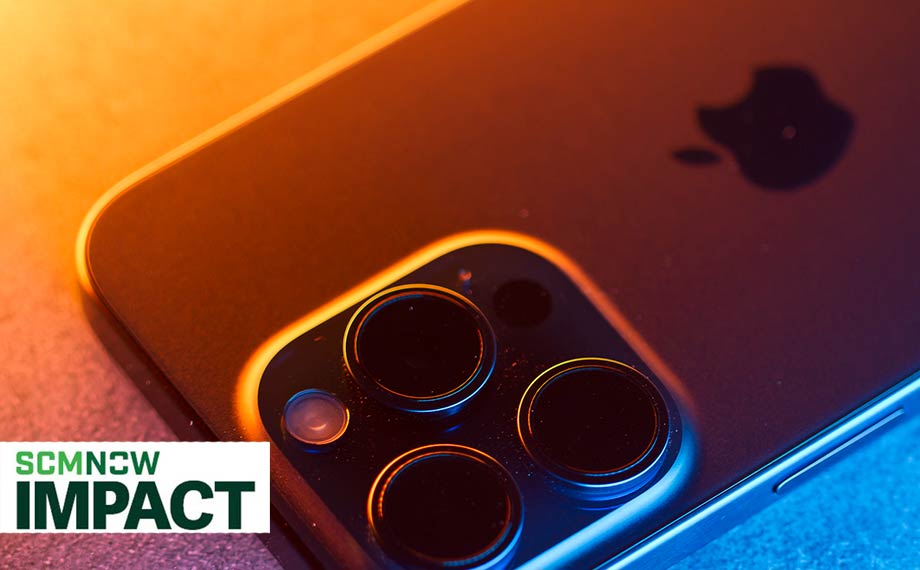
The tech giant announced the agreement with U.S. rare earths company MP Materials as a commitment to strengthening the domestic supply chain, reports CNN. Rare earths are critical in the production of Apple’s ubiquitous iPhone, and currently China controls the vast majority. MP Materials’ new Texas facility will create magnet manufacturing lines specifically for Apple products and deliver the materials around the world.
According to Apple’s press release, MP Materials is America’s only fully integrated rare-earth producer, so the new plant and Apple’s investment will establish dozens of new, high-skilled jobs and an “entirely new pool of U.S. talent and expertise in magnet manufacturing.”
In addition to the Texas plant, Apple plans to build a “cutting-edge rare-earth recycling line” in California. It will enable MP Materials to take in rare-earth feedstock and post-industrial scrap and reprocess it for use in Apple products. Notably, there will be a five-year pilot of the technology to ensure the end product meets exacting standards and reflects the company’s commitment to more sustainable practices.
Of course, strategic re-evaluation of global supply chains extends far beyond U.S. borders. Driven by similar desires for resilience, many European tech companies are pursuing their own nearshoring and reshoring initiatives. ASML, a Dutch supplier of chip-making equipment, is exploring localized production options to mitigate tariff impacts and diversify its customer base. Similarly, Germany's automotive sector is actively reshoring elements of EV and battery manufacturing, aiming to create more robust regional networks.
India and Mexico are also benefiting from significant investments. Apple itself has expanded iPhone production into India through partners including Foxconn, recognizing the country's growing manufacturing capabilities. HP and Microsoft are investing heavily in Mexico, leveraging geographical proximity to the North American market and favorable trade agreements.
A showcase for the cutting edge
This global rebalancing demands adaptable supply chain professionals who can manage increasingly diversified networks. Gain these skills with us at CHAINge North America, September 9-10 in Columbus. CHAINge is a uniquely collaborative environment where ideas are sparked by diverse perspectives and grounded in real-time execution. You'll discover breakthroughs in the Innovation Tech Showcase, explore multitier supplier sourcing and digital talent in breakout sessions, and discuss navigating geopolitical shifts in interactive roundtables. Don’t miss your opportunity to design a stronger, more sustainable and resilient supply chain.