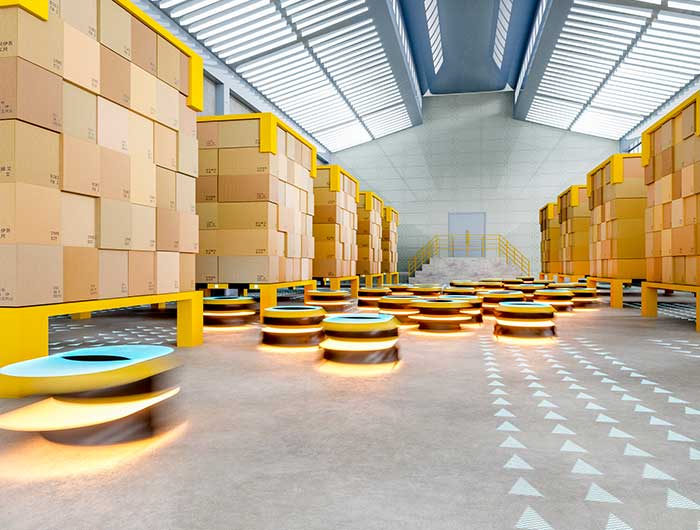
Today, the narrative of robots replacing humans has been largely debunked by the reality of the modern warehouse. Automation has become the "new recruiter," attracting a generation of tech-native professionals who view distribution centers as command centers rather than manual labor sites. This is a unique opportunity to orchestrate advanced systems that prioritize problem-solving over physical repetition. By leaning into this shift, leaders are realizing that a robot’s greatest ROI isn't just picking speed — it’s the preservation of human intellectual capital and the elimination of burnout.
For instance, The Wall Street Journal reported on retailers including Mondelez International and Nordstrom, which are seeing an influx of young professionals interested in “building no-touch distribution centers and factories and in online monitoring systems that eliminate the need for workers to adjust things throughout production.” Sandra MacQuillan, executive vice president and chief supply-chain officer at Mondelez, explains that these types of jobs are generally perceived as more rewarding than traditional warehouse work because they are “using your brain rather than asking you to do manual work all the time.”
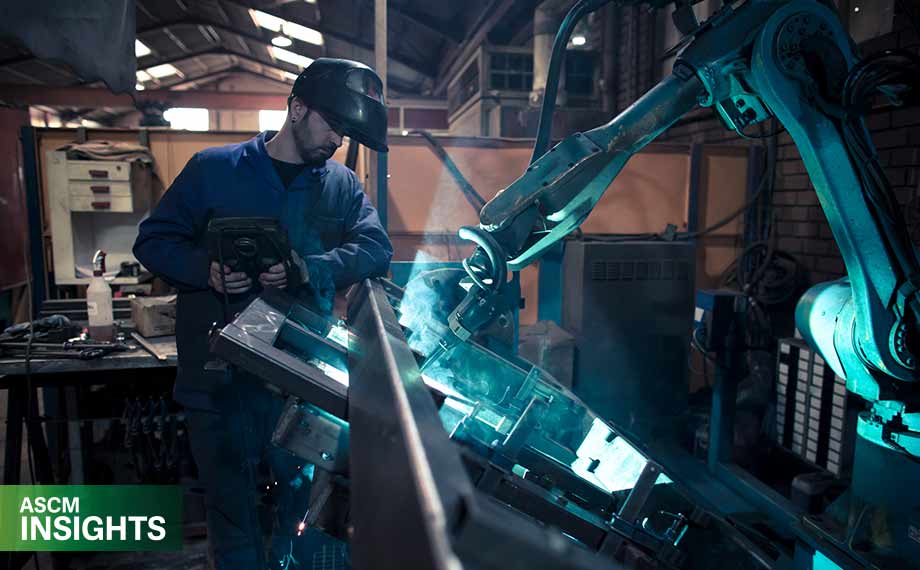
In a report about the future of autonomous robots in supply chain, Deloitte agrees: “Using autonomous robots to perform repetitive, mundane manual tasks can also improve employee satisfaction as they shift to more strategic and mentally stimulating work. … As autonomous robots become more sophisticated, the setup times are decreasing, they require less supervision, and they are able to work side by side with their human counterparts. The benefits are expanding as autonomous robots become capable of working independently around the clock with more consistent levels of quality and productivity, performing tasks that humans cannot, should not, or do not want to do.”
Inspire and engage employees
Investments in robotics and automation are proven to attract new recruits to supply chain. Scope Recruiting, a staffing agency serving supply chain and operations, recently noted, “The industry has become increasingly complex, with technology and data analytics driving efficiency and innovation. However, the supply chain talent pool has not kept pace with these changes, resulting in a shortage of skilled professionals.”
Most people want to learn more about their profession, grow in their roles and progress in their careers. “Companies can provide opportunities for training and development. This not only helps employees acquire new skills but also demonstrates the company's commitment to investing in their workforce,” the company wrote in an article for LinkedIn.
Furthermore, according to an MHI Annual Industry Report, 39% of leaders view robotics as a key competitive advantage. The goal is to fill workforce gaps and upskill existing teams rather than replace jobs. While 29% of firms hesitate due to the initial $2 million investment required for a typical four-robot setup, Vanderlande research shows these systems deliver a two-year payback and 67% savings in operational expenses.
Training employees to use robots is a booming industry itself. 3DS DELMIA, a South Korea-based software company, assists companies as they determine how robots could augment their business before they implement the technology. By using robotic simulation before installing any new equipment, companies can design, install and ramp up robotics systems with confidence that they will perform as designed. As a result, they can reduce operational costs, increase productivity and efficiency, avoid costly mistakes, and ultimately transform their operations.
Stephane Rolland, DELMIA Robotics Roles Portfolio Director explains, “Thanks to robotic simulation, we can evaluate and implement changes to ensure a different scenario or outcome. This all helps us to plan the best protocol for the production.”
The ability to test the functionality in a specific location, before committing to it, enables supply chain decision-makers to feel confident in their investment. But perhaps most importantly, involving employees in the process empowers them to play an active part in automation, alleviating fears and inspiring them to make the most of their robot counterparts.
Discover the countless possibilities of robotics and automation with ASCM’s Supply Chain Technology Certificate.
Editor's note: This article has been updated to reflect current research. The original publish date was May 2025.