A manufacturing supply chain is a complex structure of many processes that must be expertly coordinated for successful operation. It involves all the steps necessary for turning raw materials into finished products, ready to be delivered to the end user. Every element along the way must be properly coordinated and managed to mitigate risks and ensure customer satisfaction. Here, we’ll discuss how a manufacturing supply chain works, and the key features and challenges involved in maintaining a successful process flow.
The ASCM Supply Chain Dictionary defines manufacturing as a series of interrelated activities and operations involved in the design, material selection, planning production, quality assurance, management and marketing of discrete consumer and durable goods. The manufacturing supply chain uses a complex network of suppliers to procure, manufacture, and deliver these raw materials to the end customers through an engineered or transactional flow of information, goods and money.

While the physical creation of goods is a primary function of supply chain manufacturing, there are other phases of the process that contribute to its success:
There is a defined process flow within supply chain manufacturing that involves a series of interconnected steps aimed at efficiently and profitably producing and delivering goods:
Sourcing and acquiring the materials and components needed for production is the foundation of the supply chain. The availability, cost and quality of the materials directly influence production schedules and the overall quality of the product, impacting customer satisfaction.
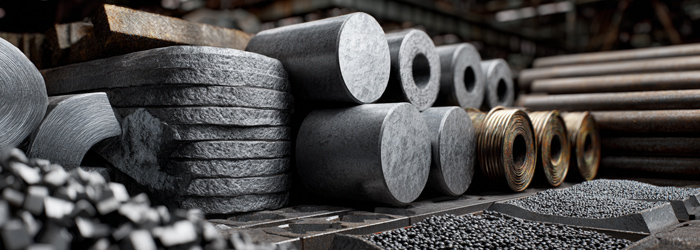
This step is central to the supply chain and involves transforming the raw materials into finished goods through various manufacturing processes. This requires proper planning, resource allocation and technology to optimize processes and minimize waste.
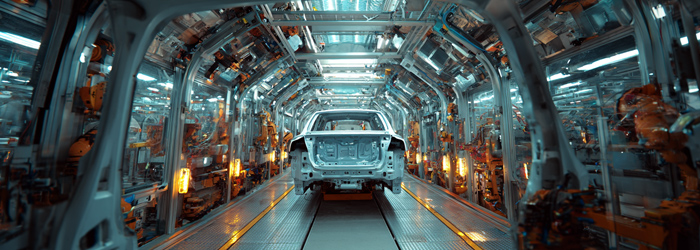
It’s important to ensure the products meet all predefined standards prior to leaving the production line. This involves inspections, testing, monitoring production results and addressing any defects or inefficiencies to mitigate the manufacturing of defective products, which can hurt customer satisfaction, damage the brand and reduce revenue.

Once products are finished and ready for delivery, they are transported to warehouses, retailers or end customers. Distribution connects production with the market by ensuring goods reach their destination on time to enhance customer satisfaction. This step involves inventory management, transportation logistics and supply chain coordination.

Post-sales activities include customer support, returns management, warranty services and product recycling or disposal. This is an essential step because it strengthens customer relationships by addressing needs and resolving issues, helping to build brand loyalty, reducing costs from product returns and enhancing sustainability through reverse logistics.

To maximize efficiencies within your manufacturing supply chain, you must understand every step in the process and how they are interconnected. This level of understanding requires constant visibility into the operations, in-depth data from each process and the software and technology to analyze that data and turn it into actionable insights that can mitigate risks, improve processes and constantly enhance the customer experience.
Researching and identifying the right suppliers and vendors and building strong relationships with them is crucial to ensuring a secure, reliable flow of quality resources at a competitive pricing. Contracting with multiple suppliers will help you establish stability in procurement and avoid delays based on individual vendor problems, such as supply shortages or operational disruptions.
The quality of your raw materials dictates the quality of your end product. However, every company has budgetary limitations. This requires finding the ideal balance between price and quality. Conducting regular market research, examining your suppliers’ competitors and soliciting customer feedback will assist you in achieving this balance and maintaining customer satisfaction.
The production process is key because it determines the overall quality of your products, and the time required to create them so they are ready for the next phase of the supply chain. Because production is responsible for a large portion of your company’s cost and energy consumption, it’s critical to monitor the process for potential improvements. For example, investing in the right software and automation can increase efficiencies by optimizing downtime and extending machinery life.
Once goods are manufactured, they must be properly stored until they are ready for the next phase of distribution. Some businesses use just-in-time (JIT) inventory to minimize storage and keep only the products they immediately need, while others maintain higher levels of stock in anticipation of future demand. Both approaches require careful planning to balance costs and storage needs and avoid stockouts or overstocking. Advanced automation and data-driven forecasting will allow you to optimize inventory to ensure customer demands are met.
Distribution and transportation are crucial for moving goods efficiently within the supply chain or to the customers. Many manufacturers rely on third-party logistics (3PL) providers for cost-effective shipping expertise. Others use in-house systems enhanced by technology, such as an enterprise resource planning system (ERP) that provides real-time data for shipment and tracking inventory levels. After a purchase is made, automated picking and shipment preparation ensures that timetables are met.
Retailers play a vital role in the supply chain by connecting manufacturers to customers –– they purchase goods in bulk and resell them directly to customers. Open communication between manufacturers and retailers creates valuable data and insights that ensure accurate demand forecasting, optimized inventory and a flexible supply chain that adapts to changing customer preferences, driving operational efficiencies and customer satisfaction.
For manufacturers who offer maintenance and repair service contracts or warranties, effectively planning them is crucial to managing product returns, replacements and repairs and ensuring ongoing customer satisfaction. Maintenance and repair are also essential to supply chain manufacturing to ensure equipment runs smoothly. This will reduce downtime, prevent quality issues and keep your supply chain running seamlessly.
Recycling is a critical element of supply chain manufacturing, reducing waste, conserving resources, and cutting costs while meeting customer demand for sustainability. Efficient recycling requires collaboration between manufacturers, consumers and facilities to collect and repurpose used goods and materials. By reusing flawed products and excess materials, you can lower your reliance on virgin resources, minimize environmental impact and contribute to a more sustainable future.
Manufacturing supply chains have rapidly evolved in recent years to become more complex, interconnected and global than ever before. Manufacturers must be prepared and have plans in place to address a number of potential threats, such as:
Natural disasters, pandemics, transportation issues, changes in global politics and economic shifts can prevent manufacturers from creating and delivering goods. Diversifying suppliers and utilizing real-time data collection can help.
Subcontractors may have different processes, capabilities, schedules and cybersecurity standards. Implementing modern technology, such as centralized databases for sharing information, helps primary contractors and their subcontractors collaborate by streamlining manufacturing processes.
Not all suppliers and distributors utilize automation uniformly. It’s important to reassess which companies best integrate with your practices or invest in a more robust supplier relationship management system to reduce complications.
End-to-end supply chain visibility is essential to avoid bottlenecks and delays. Using automated sensors and Internet of Things (IoT) devices can help, but accurate visibility also requires collaboration among internal teams and external partners.
Dependence on increasingly complex global systems leaves manufacturing vulnerable to geopolitics and international trade shifts. Nearshoring and homeshoring operations may increase labor costs, but in the end, will provide more control and visibility over operations, reduced shipping costs and faster order fulfillment.
In the face of increasing raw material and component costs, rather than raising product prices, you can create optimizations through more efficient machinery and assembly processes, alternative sourcing strategies and more accurate demand forecasting to minimize excess stock.
While preparing for every potential risk may be impossible, it’s important to assess your supply chain regularly and create contingency plans. Leveraging technology platforms to organize and analyze data will also assist in identifying and mitigating supply chain risks.
According to the 2024 first quarter National Association of Manufacturers (NAM) outlook survey, attracting and retaining talent is the primary business challenge affecting their supply chains. Incorporating incentive programs, upskilling and apprenticeship programs will help you retain and attract skilled workers. Additionally, automating redundant processes can fill the gaps to replace manual labor.
The manufacturing supply chain impacts businesses and contributes to customer satisfaction in a number of ways. By analyzing and strategically addressing these factors to increase efficiencies and improve processes, you’ll be able to give your company a distinct competitive advantage:

Supply chain success lies in leveraging technology, fostering collaboration and maintaining a customer-focused approach to meet evolving market demands. Integrating the following specific processes and strategies into your operations will help you build a manufacturing supply chain that is efficient, responsive and resilient:
Minimizes waste while maximizing value for the customer through:

Emphasizes delivering materials and components precisely when needed, reducing inventory costs and waste through:

Allows quick adaptation to market changes and customer needs through:

Shifts inventory management responsibilities to suppliers, streamlining inventory levels and reducing administrative burden through:

The following links provide more in-depth information on other supply chain topics:
Subscribe today and you’ll receive valuable supply chain insights from the top leaders in the industry that will help you do your job better, faster, and more efficiently. From industry news to insider tips and trends, Signals delivers a quick read on the latest information on supply chain management right to your inbox.