Logistics management involves overseeing and optimizing of the productivity and efficiencies of the entire logistics function, including coordination, movement and storage of goods throughout the supply chain. This critical part of the supply chain process is essential for maintaining a smooth operation, from order processing to the physical distribution of products. Here, we’ll learn more about the components and processes of logistics management and why it is such a very crucial part of the supply chain.
To fully understand logistics management, let’s start with the definition of logistics. According to the ASCM Supply Chain Dictionary, logistics is the subset of supply chain management that controls the planning, coordinating and movement of resources, such as people, materials, inventory and equipment, from one location to another. It includes the forward and reverse movement, handling and storage of resources between two points.
All elements within the logistics function must be coordinated and managed properly to maximize results, which leads us to logistics management. Logistics management is defined as the part of supply chain management that oversees the planning and execution of forward and reverse flows of goods and related information between points in the supply chain to meet customer requirements.

While logistics management and supply chain management are closely related and both crucial to the optimal performance of the supply chain, they are responsible for different areas within it:
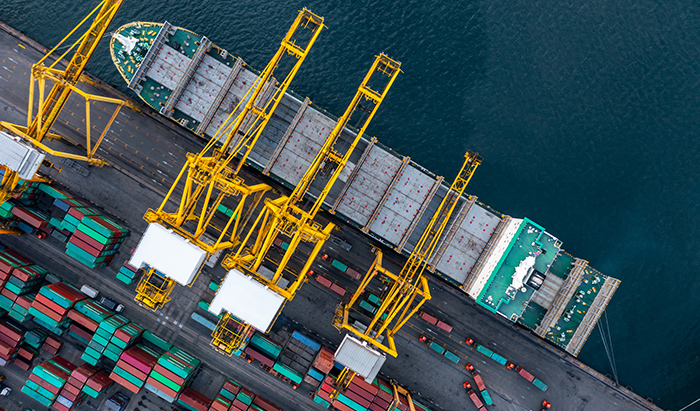
The primary job of logistics management is to make sure the right products are delivered to the correct address on time, giving it a critical role in supply chain management that ultimately ensures the accuracy and efficiency of delivery. By reducing the redundancies and errors and increasing the speed of the logistics process, proper logistics management also lowers costs across the board.
In addition, logistics management often involves demand planning, supply forecasts and automated systems for customer ordering, warehouse management and material handling. Coordinating these functions properly is key to helping businesses maximize operations and enhance customer satisfaction.
And let’s not forget the transportation function of logistics. Logistics management is also responsible for optimizing route planning, load management and transportation modes to guarantee the seamless movement of goods. By mitigating risks and unexpected challenges, logistics management improves the agility and flexibility of transportation, contributing to the accurate and timely delivery of goods.
Multiple components within logistics management work together to maximize the flow of goods and ensure customer satisfaction. The major components of logistics management include:
Forecasting demand and deciding exactly how much inventory to order and when to order it to avoid surplus and stockouts.
The opposite of inbound logistics, outbound logistics involves the transportation of goods from the production or distribution center to the final customer.
Ensuring on-time delivery by optimizing routes and managing and monitoring commercial vehicles to eliminate or mitigate issues that would cause delivery delays.
The process of safely storing physical inventory for eventual sale or distribution. This may include receiving and organizing warehouse space, scheduling labor and managing inventory.
Managing and executing orders from the time a customer places an order until it is delivered to the final destination.
Creating forecasts to accurately predict future product demand in order to have enough inventory to meet customer needs.
Here is an explanation of the different types of logistics management:
Function: Overseeing and optimizing the sourcing of raw materials and components required for manufacturing.
Goal: Reduce costs and maintain the steady flow of materials necessary for production.
Includes:

Function: The efficient movement and storage of materials from suppliers to manufacturers and, subsequently, retailers or customers.
Goal: Ensure products are delivered to the right place, at the right time and in the right quantity.
Includes:
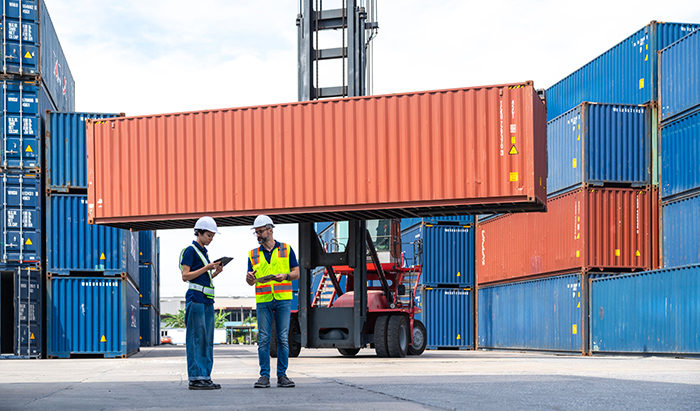
Function: The flow of goods and materials during the manufacturing process.
Goal: Minimize production delays and optimize manufacturing efficiency.
Includes:

Function: Managing the relationship with the customers to ensure satisfaction
Goal: To understand and meet customer needs, resolve issues quickly and maintain strong post-sale support.
Includes:

This is a subset of customer service management that focuses on enhancing the customer experience by optimizing the efficiency and quality of the logistics operations that directly affect the customer, including:
Function: The process of moving products back from the customer to the seller, often for repairs, recycling or disposal.
Goal: To recover value from returned products and improve customer satisfaction.
Includes:

Effective logistics management will provide many benefits to your supply chain, ultimately improving your bottom line:
A successful supply chain requires simultaneous coordination of multiple processes, and logistics management orchestrates these efforts to efficiently move goods from suppliers to consumers. Each of the following processes serves a specific function to ensure the smooth and cost-effective flow of products:
Oversees the storage and movement of goods within a warehouse to ensure items are stored efficiently, tracked accurately and retrieved quickly for shipping, minimizing errors and optimizing space utilization.
Customer orders must be properly tracked from the moment they are received until the moment they are delivered. Efficient order processing systems track orders in real-time, ensuring that products are picked, packed, and shipped accurately and on time for ultimate customer satisfaction.
This refers to the movement of raw materials, work-in-progress items or finished goods within a facility. Proper material handling systems minimize damage, reduce workplace accidents and increase the speed of internal logistics processes.
Proper packaging is essential for protecting goods during transportation and storage. It involves designing appropriate containers to minimize damage, optimize space and ensure regulatory compliance while balancing cost-efficiency.
Planning, executing and expediting the physical movement of goods involves selecting the right carriers, optimizing shipping routes, and coordinating the most appropriate modes of transport to ensure timely deliveries at the lowest possible cost.
This process ensures that the right amount of stock is available at the right time. Effective inventory management helps prevent overstocking and stockouts, reducing storage costs while meeting customer demand in a timely manner.
The following links provide more in-depth information on other supply chain topics:
Subscribe today and you’ll receive valuable supply chain insights from the top leaders in the industry that will help you do your job better, faster, and more efficiently. From industry news to insider tips and trends, Signals delivers a quick read on the latest information on supply chain management right to your inbox.